
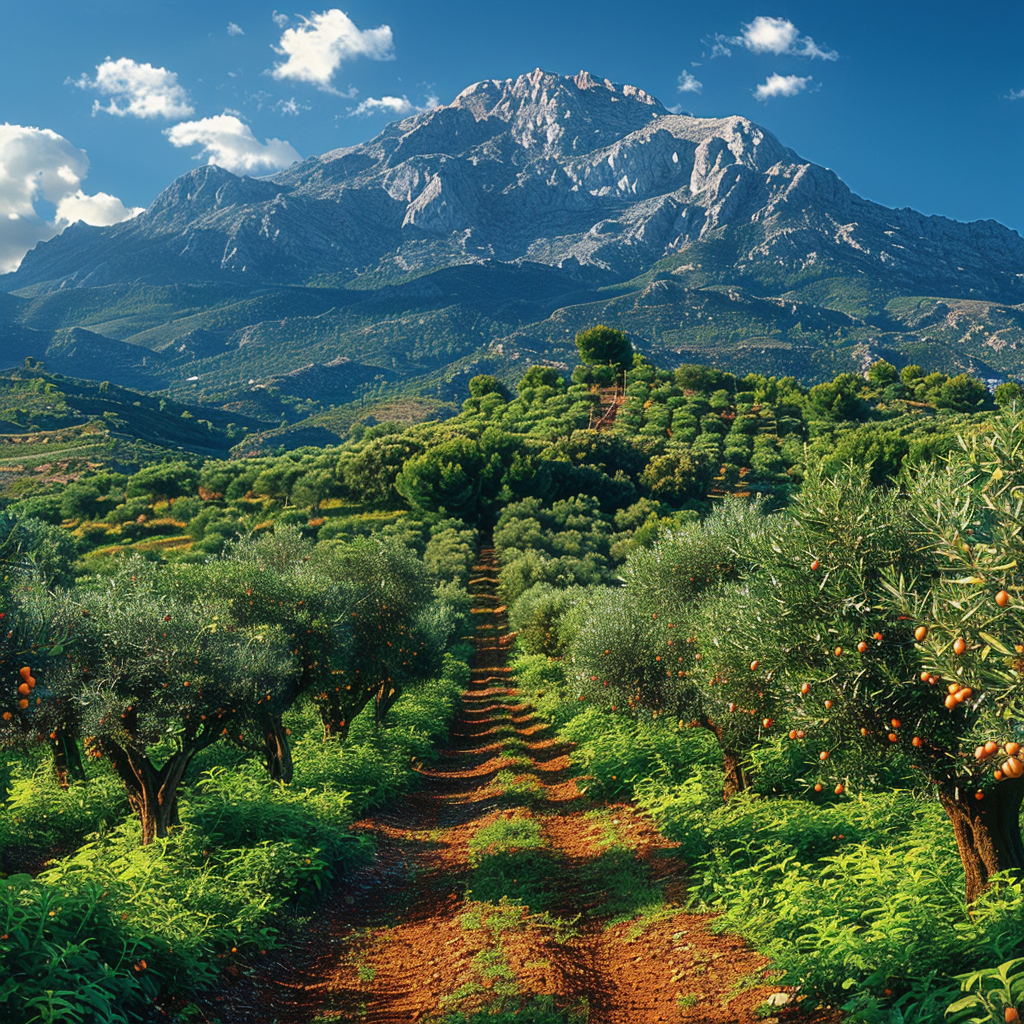
Spain’s world production of olive oil.
Spain, a country rich in history, culture and culinary traditions, has established itself as the leading producer of olive oil worldwide. But what exactly makes Spain so successful in olive oil production that it has overtaken the entire world? Let’s examine the key factors that have led to this impressive achievement.
Ideal climatic conditions and geographical diversity
Spain boasts a climate that is perfect for growing olives. Warm summers, mild winters and long, sunny days provide optimal conditions for olive trees to flourish. Spain’s geographic diversity – from coastal regions to hilly inland landscapes – creates diverse microclimates that allow a wide variety of olive varieties to thrive.
Tradition and innovation
Olive oil production in Spain has a long tradition that dates back centuries. This tradition is deeply rooted in the country’s culture and agricultural practices. At the same time, Spanish producers have adopted modern technologies and innovative methods to increase efficiency and improve quality. This combination of tradition and innovation has enabled Spain to produce olive oil of the highest quality.
Variety of olive varieties
Spain is home to a wide variety of olive varieties, each with its own unique flavour profile and characteristics. Some of the most well-known varieties include Picual, Arbequina, Hojiblanca and Cornicabra. This diversity allows Spain to offer a wide range of olive oils that cater to different tastes and culinary needs.
Large acreage
With over 2.5 million hectares of olive groves, Spain is the largest olive grower in the world. These vast acreages are a major factor in the country’s high production capacity. Particularly in regions such as Andalusia, Catalonia and Castilla-La Mancha, you can find wide open fields with endless rows of olive trees.
Commitment to quality
Spanish olive oil producers are committed to quality. By adhering to strict cultivation and production standards, they ensure that their olive oil is among the best in the world. Initiatives such as the Protected Designation of Origin (PDO) and the Protected Geographical Indication (PGI) help to guarantee the authenticity and quality of Spanish olive oils.
Investment in research and development
Spain has invested heavily in research and development to optimise olive oil production. Universities, research institutes and private companies work together to develop new farming methods, pest control technologies and innovative processing techniques. This ongoing research helps to increase efficiency and improve the quality of the olive oil produced.
Sustainability and environmental protection
Another reason for Spain’s success is its commitment to sustainable practices and environmental protection. Many Spanish olive oil producers employ organic farming methods and sustainable irrigation techniques to protect the environment and ensure the long-term health of their olive groves.
Conclusion
Spain has overtaken the world in olive oil production by capitalising on ideal climatic conditions, a deep-rooted tradition, a wide variety of olive cultivars and large acreage. Through a commitment to quality, innovation and sustainability, Spain has succeeded in establishing itself as a leading producer of olive oil. This recipe for success enables the country to meet global demand for high-quality olive oil while also enriching the culinary world with exceptional products.