
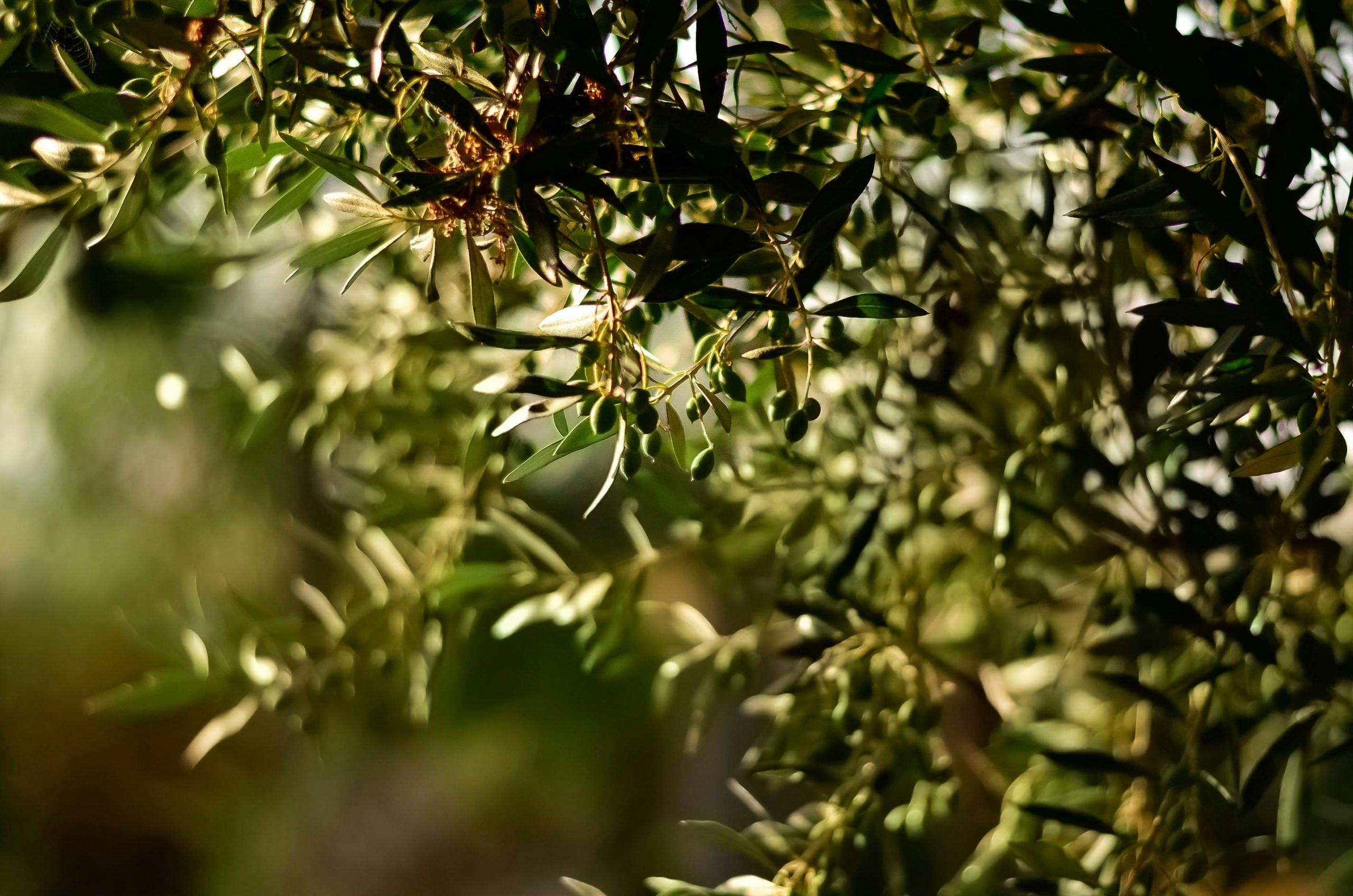
The best conditions and ideal terrain for growing olive trees and producing olive oil
Olive trees are known not only for their resilient nature, but also for their ability to adapt to different environments. However, for the production of high-quality olive oil, it is crucial that they grow in optimal conditions. In this post, we explore the best geographic and climatic conditions for growing olive trees and how these factors contribute to the quality of the olive oil.
Geographic conditions
1. Mediterranean climate
- Characteristics: Hot, dry summers and mild, wet winters.
- Regions: Mediterranean region, California, Australia, South Africa, Chile.
- Benefits: The Mediterranean climate provides ideal conditions for growing olive trees, supporting the trees’ natural cycle and encouraging fruit development.
2. Hilly landscapes
- Characteristics: Slightly sloping hills with good drainage.
- Advantages: Hilly terrains provide excellent drainage conditions, which prevents waterlogging and protects the olive trees from root rot. These terrains also allow for better exposure to the sun.
3. Proximity to the coast
- Characteristics: Areas close to the sea with moderate climate conditions.
- Benefits: the proximity of the sea can help to cool and ventilate the area with constant breezes, evening out temperature fluctuations and promoting the ripening of the olives.
Soil type
1. Well-drained soil
- Characteristics: Clay or sandy soils with good permeability.
- Advantages: Well-drained soils prevent waterlogging and promote deep rooting, which is crucial for the stability and health of the trees.
2. Mineral-rich soil
- Characteristics: Soils with sufficient nutrients, especially calcium, magnesium and potassium.
- Benefits: Soils rich in minerals support the growth of the trees and the development of aromatic compounds in the olives, which contribute to the quality of the oil.
3. Neutral to slightly alkaline pH
- Characteristics: pH between 6.0 and 8.0.
- Benefits: A neutral to slightly alkaline pH is ideal for olive trees, as it optimises the absorption of nutrients and supports microbiological soil life.
Climatic requirements
1. Temperature
- Optimal temperatures: Between 15°C and 30°C.
- Frost sensitivity: Olive trees are sensitive to frost, so temperatures below -7°C should be avoided.
- Growing season: Warm temperatures promote growth and fruit ripening, while cool nights help develop flavour.
2. Precipitation
- Rainfall: 400 to 700 mm per year.
- Irrigation: Supplemental irrigation may be necessary in dry regions, especially during flowering and fruit formation.
- Avoiding waterlogging: Too much precipitation or improper irrigation can lead to root rot and other problems.
3. Sunlight
- Exposure: Full sun with at least 6 to 8 hours of direct sunlight per day.
- Benefits: Sunlight is crucial for photosynthesis and the production of polyphenols, which affect the quality and health benefits of the olive oil.
Cultivation techniques
1. Dense planting
- Characteristics: Modern plantations use a higher planting density to maximise yield per unit of area.
- Advantages: Dense planting allows for more efficient harvesting and better use of irrigation and fertiliser systems.
2. Traditional farming methods
- characteristics: wider spacing between trees, often in terraced landscapes.
- Advantages: traditional methods promote tree longevity and support biodiversity.
3. Sustainability
- characteristics: use of organic farming practices and water-efficient techniques.
- Benefits: Sustainable farming methods contribute to the long-term health of the plantation and the preservation of the environment.
Conclusion
The best conditions for growing olive trees and producing high-quality olive oil include a Mediterranean climate, well-drained soils rich in minerals, and sufficient sunlight. The combination of these factors makes it possible to produce olive oils with a high polyphenol content and intense aromas. Whether in traditional groves or modern plantations, careful attention to these conditions is the key to producing olive oil that is both tasty and healthy.