
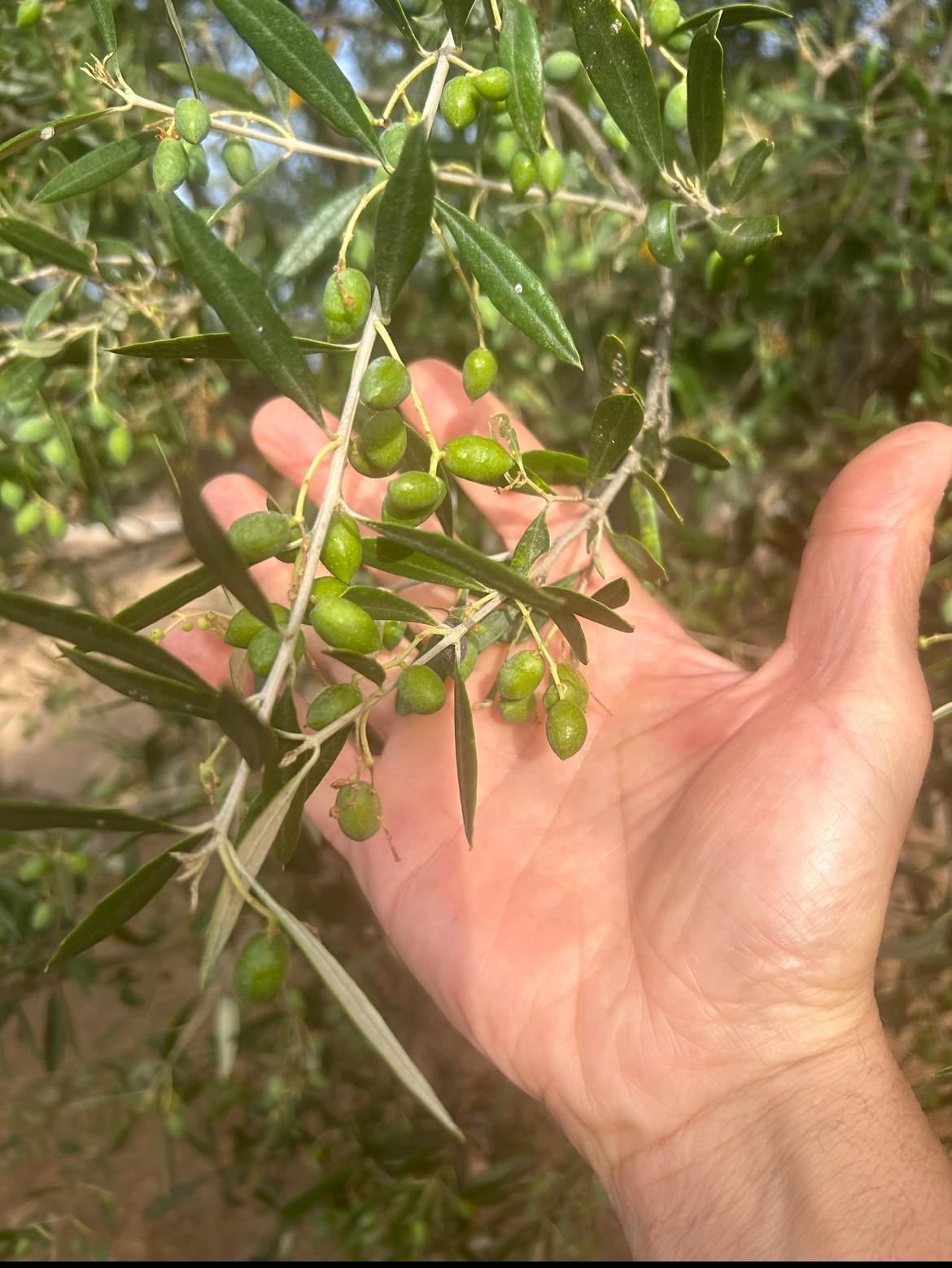
The Protected Designation of Origin (PDO) is a European Union quality seal used to identify agricultural products and foodstuffs that come from a specific region and whose quality and characteristics are essentially or exclusively due to that geographical origin. PDO ensures that the products are produced according to traditional methods and are closely linked to their region of origin. In this blog post, you will learn everything you need to know about PDO and why it is important for consumers and producers alike.
What is PDO?
PDO is one of three geographical indications used by the European Union to protect and promote the origin and quality of certain products. The other two are the protected geographical indication (PGI) and the guaranteed traditional speciality (TSG). PDO has the strictest requirements in terms of the origin and production of the products.
Criteria for PDO
For a product to receive the PDO label, it must meet strict criteria:
- Geographical origin: all stages of production, processing and preparation must take place in a clearly defined geographical area.
- Quality and characteristics: The quality or characteristics of the product must be essentially or exclusively due to the geographical environment, including natural and human factors.
- Traditional methods: Production must be carried out using recognised traditional methods established in the region in question.
The advantages of PDO
For consumers:
- Quality assurance: Products with the PDO label guarantee high quality and authenticity.
- Traceability: Consumers can be sure that the product comes from the specified region and was produced using traditional methods.
- Cultural preservation: Buying PDO products supports the preservation of traditional production methods and promotes cultural diversity.
For producers:
- Protection against imitation: The PDO label protects producers from imitations and misuse of the name.
- Market advantages: Products with a PDO label often have a higher market value and are popular with consumers due to their quality and authenticity.
- Promotion of the region: The recognition as a PDO product can promote the economic development of the region and boost tourism.
Examples of PDO products
There are many well-known products that carry the PDO label, including:
- Olive oil: For example, ‘Kalamata olive oil’ from Greece, which comes only from the Kalamata region and is produced using traditional methods.
- Cheeses: Such as ‘Parmigiano Reggiano’ from Italy, which is only produced in certain provinces of Italy.
- Wine: Many European wines, such as ‘Champagne’ from France, are also recognised as PDO products.
How do you recognise PDO products?
PDO products are easily recognisable by the distinctive seal that appears on the packaging. The seal shows a yellow and red plaque with the words ‘protected designation of origin’ and the EU logo. When you buy PDO products, you can be sure that you are purchasing an authentic product of high quality.
Conclusion
The protected designation of origin (PDO) plays an important role in ensuring the quality and authenticity of agricultural products and foodstuffs. It protects traditional production methods and promotes the economic development of regions. For consumers, the PDO label is a guarantee of quality and origin, while for producers it offers effective protection against imitation. The next time you see a product with the PDO label, you can be sure that you are holding a piece of authentic craftsmanship and tradition in your hands.