
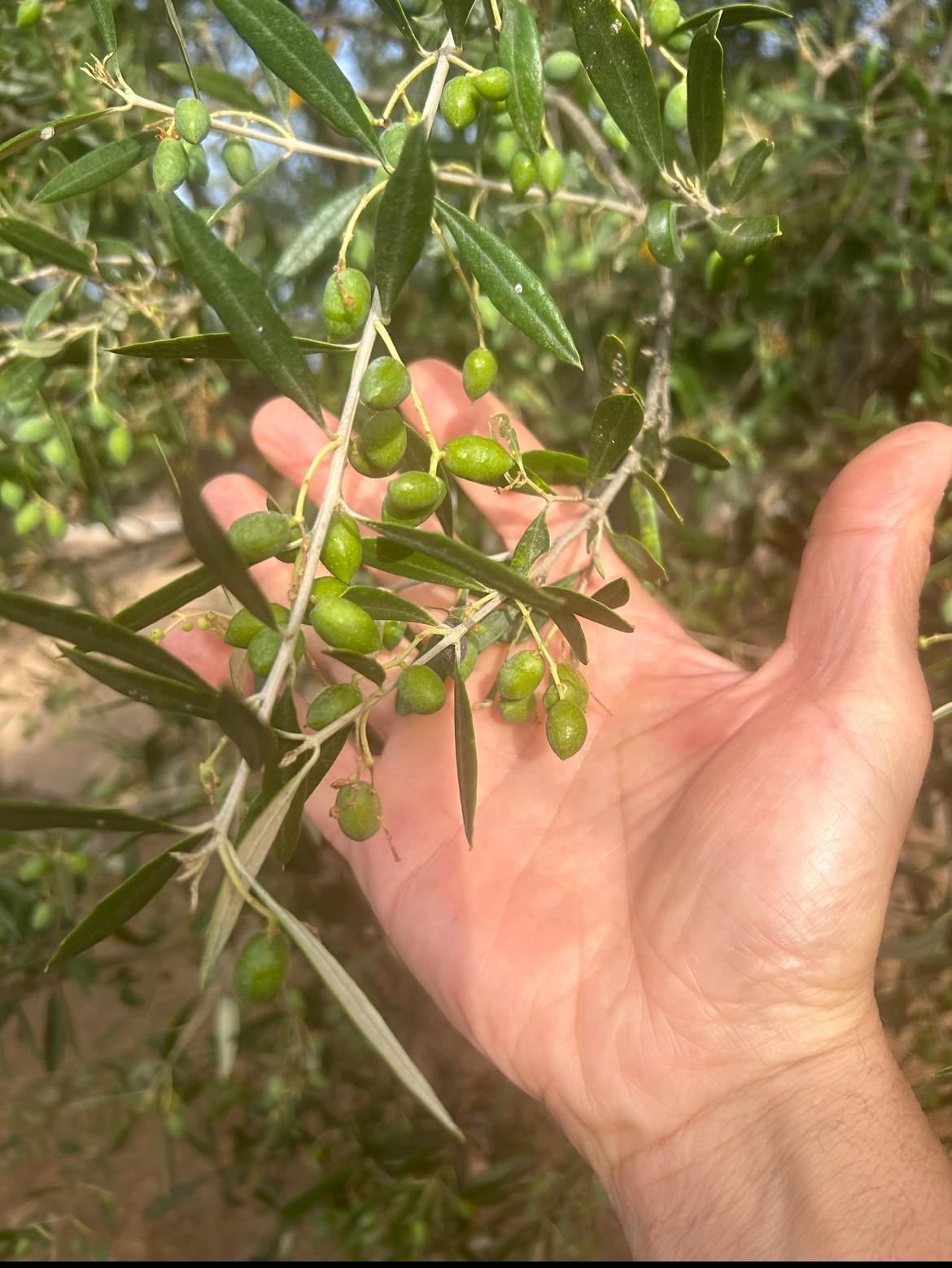
Olive oil harvest time in Spain: A look at the peak of the olive season
Harvest time is a crucial moment in the olive oil production process. In Spain, one of the world’s leading olive oil producers, the olive harvest is not only an agricultural event, but also a cultural highlight. Let’s explore the ins and outs of the olive harvest in Spain and understand why this time is so crucial for the quality of the olive oil.
When is the olive harvest season in Spain?
The olive harvest time in Spain varies depending on the region, the olive variety and the desired degree of ripeness of the olives. In general, the harvest time can be divided into three main phases:
- Early harvest: mid-October to late November
- Main harvest: December to mid-January
- Late harvest: mid-January to late February
Influence of harvest time on olive oil quality
1. Early harvest (green olives):
- Polyphenol content: olives harvested early have a higher polyphenol content, which results in a stronger, peppery taste and better antioxidant properties.
- Yield: the oil yield is lower because the olives are less ripe, but the quality of the oil is usually higher.
- Flavour: the oil is more intense, often with bitter and spicy notes that are highly prized by gourmets.
2. Main harvest (semi-ripe olives):
- Polyphenol content: the polyphenol content is balanced, which results in a harmonious flavour profile.
- Yield: the oil yield is higher than with the early harvest because the olives are more ripe.
- Flavour: The oil has a balanced flavour with fruity and mild notes, ideal for general consumption.
3. Late Harvest (Ripe Olives):
- Polyphenol Content: The polyphenol content is lower, resulting in a milder flavour.
- Yield: The oil yield is the highest because the olives are fully ripe.
- Flavour: The oil is milder and sweeter, making it suitable for light dressings and mild foods.
Harvesting methods in Spain
1. Hand-picking:
- Description: Workers pick the olives manually from the trees or shake the branches to make the olives fall onto nets.
- Advantages: Gentle on the olives, minimising damage and allowing the best fruit to be harvested.
- Disadvantages: Time-consuming and labour-intensive, which can lead to higher costs.
2. Mechanical harvesting:
- Description: Machines shake the trees or use harvesting fans to collect the olives.
- Advantages: Faster and more efficient than hand-picking, ideal for larger plantations.
- Disadvantages: Can damage olives and trees if not done carefully.
Post-harvest: processing and storage
- Transport: The harvested olives are transported quickly to mills to preserve their quality. Delays can cause fermentation and loss of quality.
- Pressing: In modern mills, the olives are pressed to extract the oil. The first cold extraction is crucial for the production of extra virgin olive oil.
- Storage: The freshly pressed olive oil is stored in stainless steel tanks or dark glass bottles to protect it from light and air, which prevents oxidation and preserves freshness.
Cultural significance of the olive harvest
The olive harvest has deep-rooted traditions in many Spanish regions. Families, friends and village communities come together to celebrate the harvest. Festivals, local markets and tastings of the freshly pressed oil are part of this vibrant culture. The harvest is not only an agricultural activity, but also an expression of the connection to nature and the region’s heritage.
Conclusion
The harvest time of olives in Spain is a central factor in the quality and taste of the olive oil. From early to late harvest, the time of harvest significantly influences the characteristics of the oil. The combination of traditional methods and modern technology ensures that Spanish olive oil is valued worldwide for its outstanding quality. Enjoy the variety of flavours and textures that each harvest window offers, and discover the best that the olive season has to offer.